Lisbon
Where the city moves before you do.
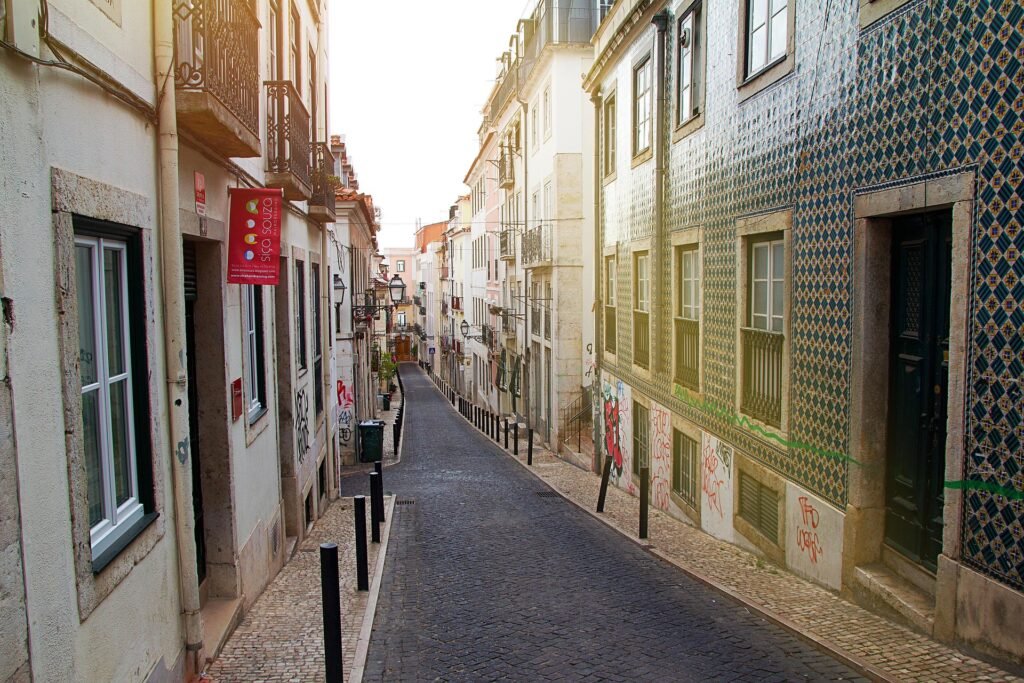
You don’t arrive in Lisbon all at once. The city meets you mid-stride, already in motion, already speaking in layers — footsteps on stone, voices behind windows, light sliding from tile to tile as if it has learned the streets by heart. Nothing pauses to announce where you are. Nothing waits for you to understand it. Lisbon continues, and without asking, you step into a rhythm that was already there.
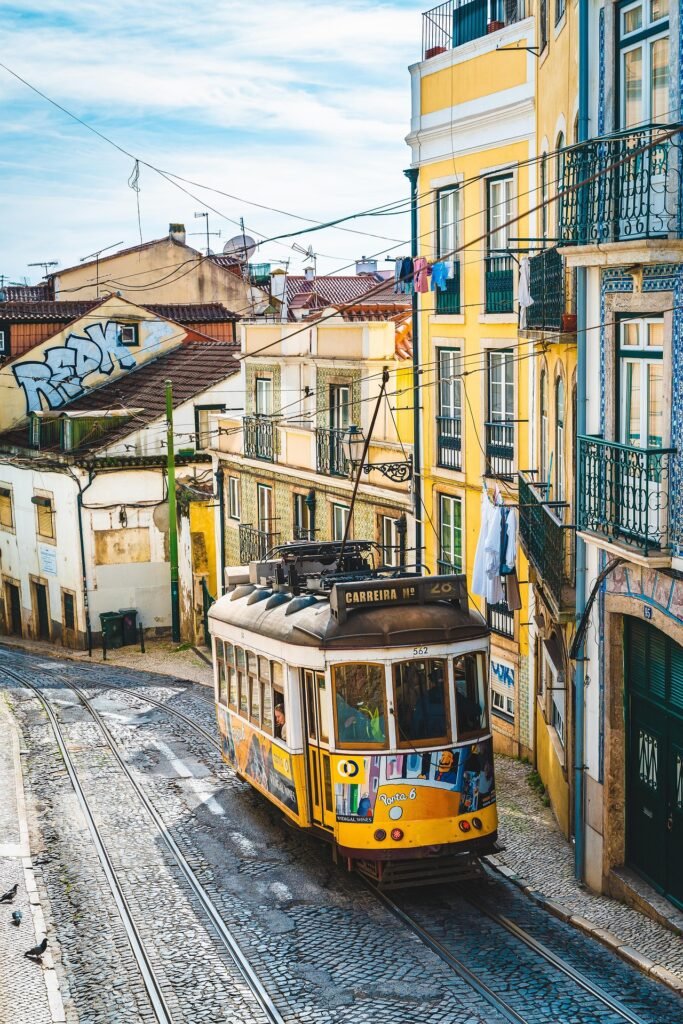
The tram moves the way the city seems to think — steadily, without urgency — climbing and curving through streets that have learned its shape over time. Wires cross overhead, laundry hangs between windows, doors open and close without ceremony, and the sound of metal on stone becomes part of the afternoon rather than an interruption to it. You don’t follow this movement from the side; you join it, understanding that in Lisbon, staying in step matters more than getting anywhere in particular.
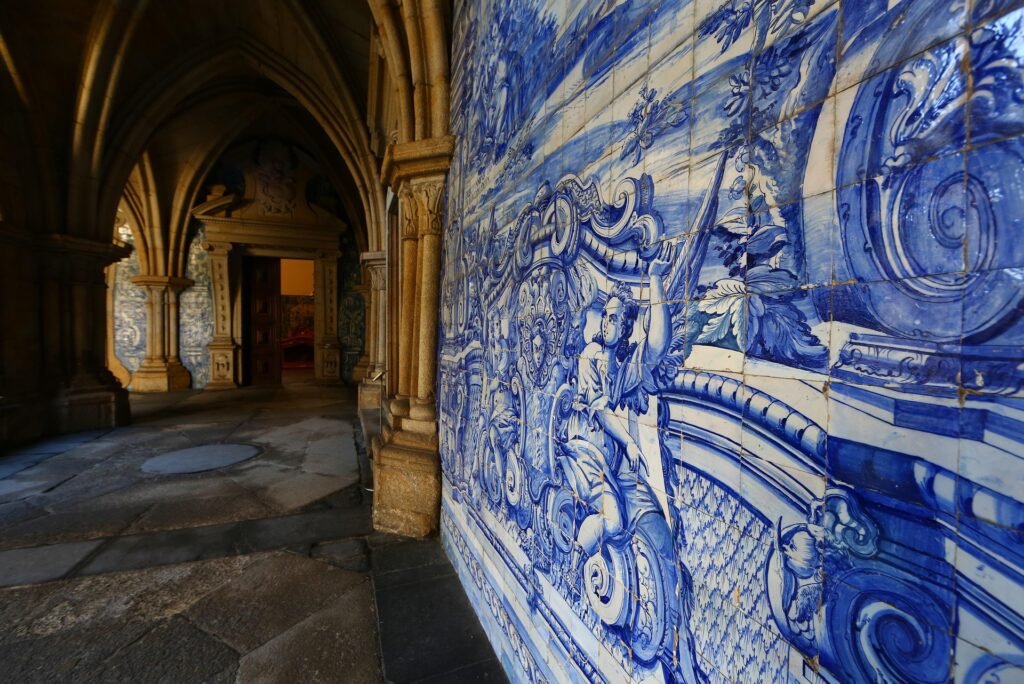
Inside, the city lowers its voice. Movement settles into walls and corridors, into tiles that have held stories longer than anyone remembers telling them. Blue spreads across stone in careful repetition, scenes looping back on themselves, asking only that you look long enough to notice. You slow without deciding to, tracing patterns with your eyes as light softens and shadows gather. Lisbon doesn’t stop here — it pauses, allowing attention to catch up.
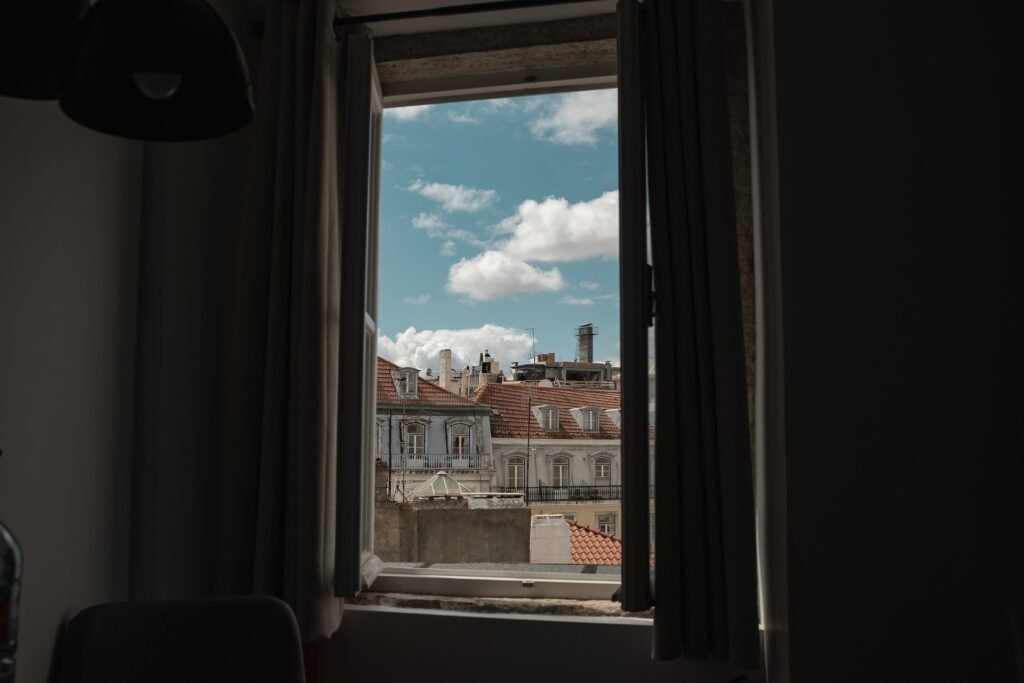
At some point, the city slips out of your hands. Not because you leave it, but because you stop reaching for it. From a distance, Lisbon arranges itself quietly — rooftops layered in soft disorder, windows catching light as clouds pass without urgency. The sounds you followed earlier arrive muted now, distant enough to rest against. The streets will keep moving as they always have, and the city does not need your attention to continue being exactly what it is.